Which Oregon Coast Whale Watching Tour Is Right for You?
| Tour | Duration | Group size | Best for | Rating | From | |
|---|---|---|---|---|---|---|
| Astoria, Cannon Beach & Whale Watching | Full day (~10 hours) | Small group | Visitors wanting the best-value tour with most Oregon Coast highlights | 4.9★ | $126 | Check → |
| Whale Watching at Depoe Bay, Cannon Beach & Tillamook | Full day (~10 hours) | Small group | Visitors who want to maximise time at Depoe Bay whale watching specifically | 4.5★ | $229 | Check → |
Whale Species & Best Months in Oregon Coast
| Species | January–March | April–June | July–September | October–December | Likelihood |
|---|---|---|---|---|---|
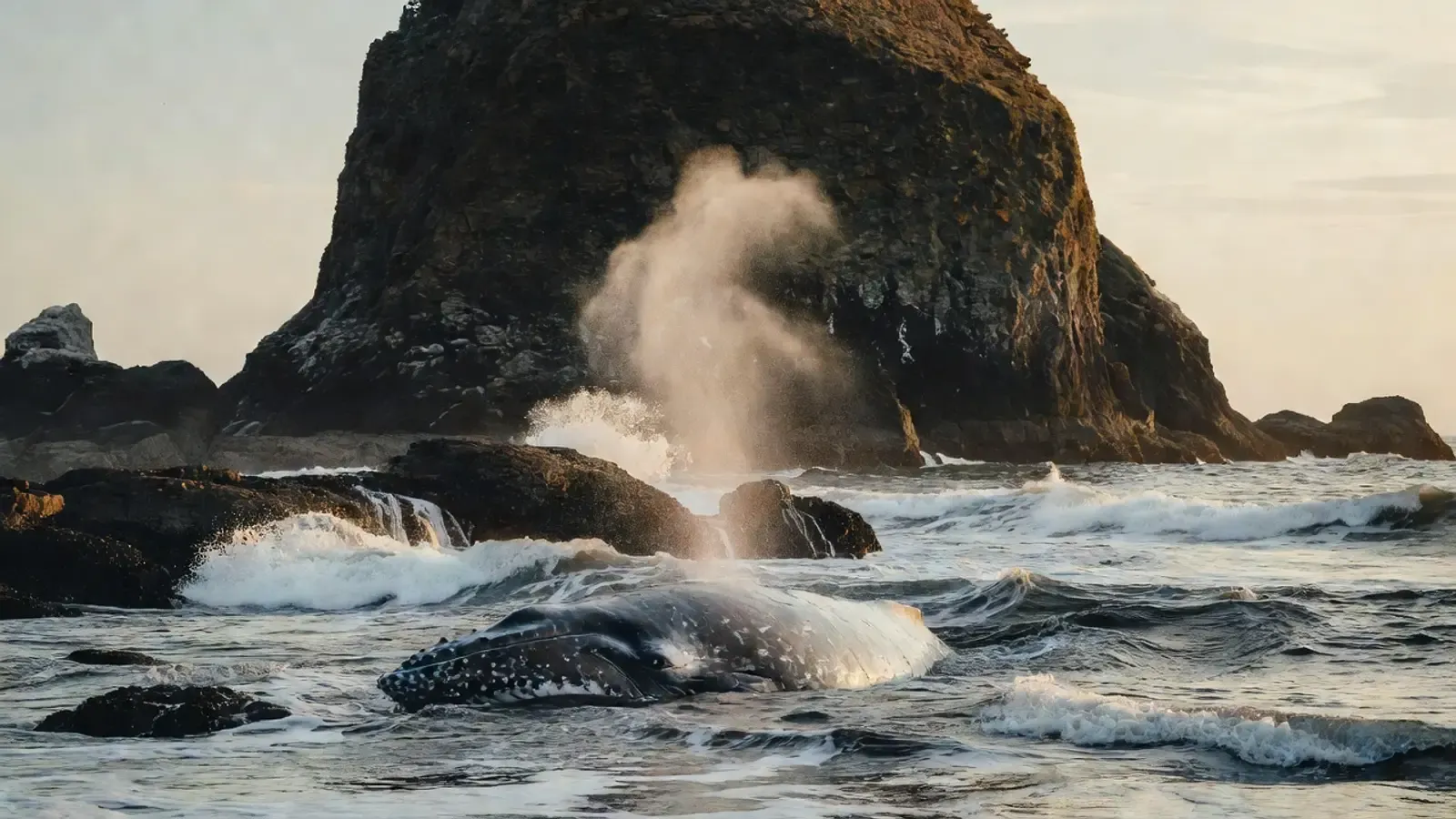
| Gray Whale (Resident) | Common | Common | Common | Common | ~90% year-round |
| Gray Whale (Migrating) | Peak | Departing | — | Arriving | ~95% Dec–Apr |
| Humpback Whale | — | Rare | Occasional | — | ~10% |
| Orca | Rare | Rare | Rare | Rare | ~5% |
What to Expect on the Day
Depart Portland — Oregon's gateway to the coast
Both tours depart from central Portland and drive through the dramatic Coast Range on US-26 or US-30. The transition from the Willamette Valley's farmland to the dark Sitka spruce and Douglas fir forests of the Coast Range takes about an hour, culminating in the first view of the Pacific — a dramatic reveal that surprises most visitors.
Astoria — where Lewis & Clark met the Pacific
The Astoria tour begins at the mouth of the Columbia River — the endpoint of the Lewis & Clark Expedition in 1805. Astoria's Victorian houses, the 125-foot Astoria Column on Coxcomb Hill, and the Columbia River Maritime Museum tell the story of the Pacific Northwest's most dramatic waterway. Harbour seals are common on the riverfront docks.
Cannon Beach — Haystack Rock
Cannon Beach is home to Haystack Rock — a 235-foot basalt monolith rising from the beach that is one of the most iconic images of the Pacific Coast. Tufted puffins nest here from May through July. The rock is accessible at low tide. The town's galleries, restaurants, and bookshops make it the most visited Oregon Coast destination.
Depoe Bay — whale watching from the seawall
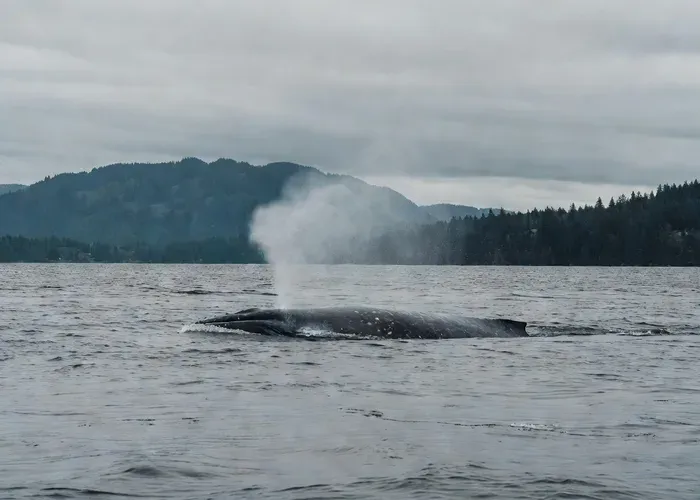
The world's smallest navigable harbour. Resident gray whales feed within 200 feet of the seawall on US-101 year-round. The guide will help you spot whale spouts from the elevated walkway. During winter months, whale activity is at peak with both resident and migrating whales. The harbour entrance — just 50 feet wide — is a feat of natural engineering.
Tillamook and the coast range return
The Depoe Bay/Tillamook tour concludes with a stop at Tillamook — the dairy capital of the Oregon Coast — before returning through the scenic Tillamook State Forest and Coast Range on US-6. The Tillamook Creamery is a classic Oregon roadside institution.
Watch: Humpback Whales in Oregon Coast
Depoe Bay Whale Watching with Dockside Charters — Oregon Coast
What to Bring — and What to Leave at Home
✓ Bring
- Waterproof jacket and rain layers — Oregon Coast weather is unpredictable year-round
- Warm fleece mid-layer
- Binoculars for shore-based whale watching
- Camera — the Oregon Coast scenery is spectacular
- Comfortable walking shoes for beach and headland walks
✗ Leave at home
- Light summer clothes only — coastal Oregon is cool and often foggy even in July
- Pets if taking a group tour
Where Tours Depart From
| Port / Area | Details |
|---|---|
| Portland — central pickup (both tours) | Both tours depart from downtown Portland. Exact pickup location confirmed in your GetYourGuide booking confirmation. Portland is served by PDX International Airport and Amtrak's Cascades and Coast Starlight trains. |
| Depoe Bay Seawall (self-drive free option) | US Highway 101, Depoe Bay, OR 97341. If driving yourself, the seawall parking lot is free. Drive US-26 West from Portland to Cannon Beach, then US-101 South to Depoe Bay (2.5 hours). |
How to Choose an Ethical Tour
What ethical operators do
- Observe whales from the seawall quietly — sudden noises disturb feeding whales
- Stay on marked trails and boardwalks at all coastal viewpoints
- Do not approach harbour seals or sea lions resting on beaches or rocks
- Report orca sightings to Orca Network (orcanetwork.org)
Red flags to avoid
- Throwing objects from the seawall toward the water
- Approaching Haystack Rock tidal pools at high tide — nesting birds are protected
- Using drones near wildlife without NOAA permits