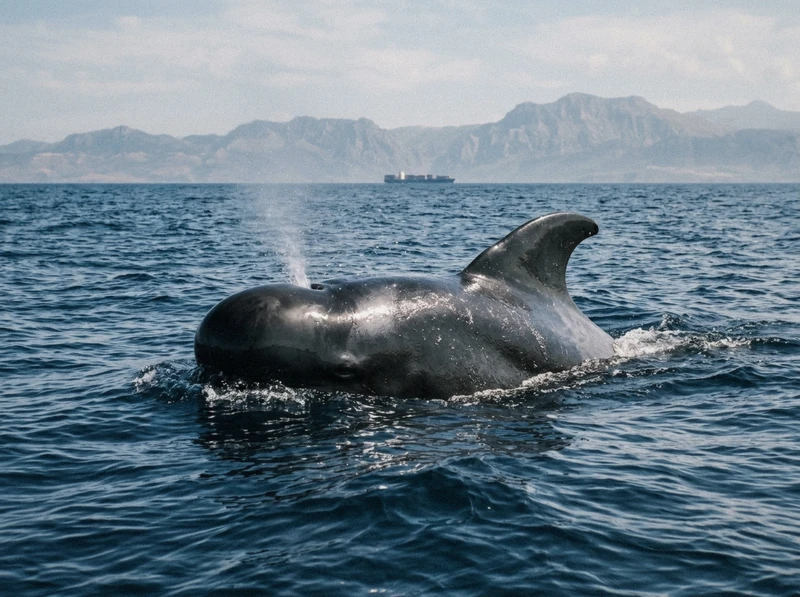
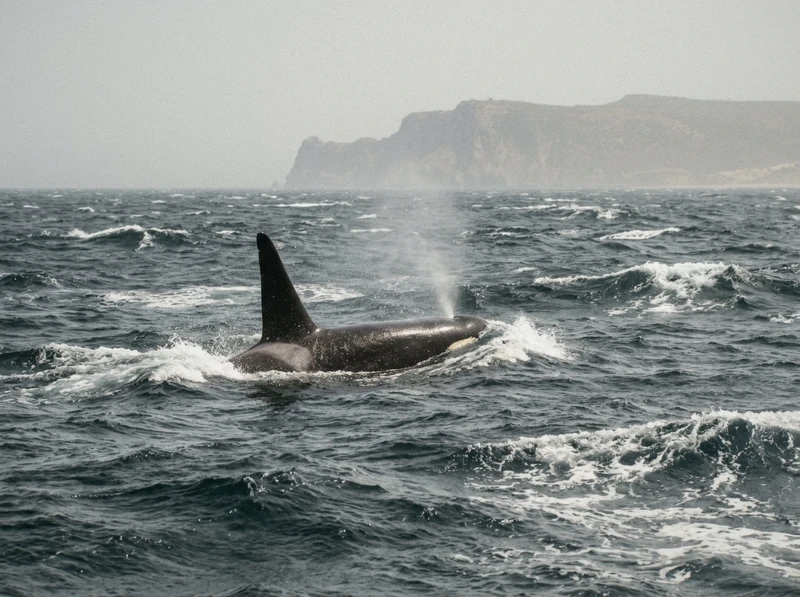
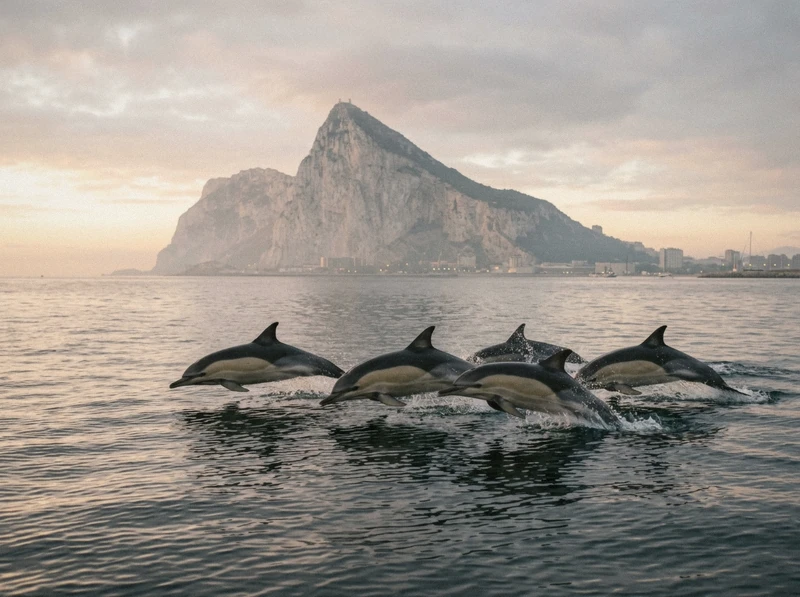
Destinations Whale Species When to Go Migration Map Guides
Browse all tours →

56 destinations · Free cancellation

Strait of Gibraltar · Andalusia · Spain

Tarifa Whale Watching Tours

Tarifa whale watching takes you into the Strait of Gibraltar, 14 km of water between Spain and Morocco where seven cetacean species pass. Pilot whales and three dolphin species live here all season, sperm and fin whales pass in spring and early summer, and from mid-July to mid-August orcas hunt bluefin tuna in the strait. This guide compares the Tarifa, Algeciras and Gibraltar boats, what each trip costs by age, the best month for each species and how the Levante wind affects your booking.

Summer orcas, mid-July to mid-August Resident pilot whales 7 cetacean species in a 14 km strait Africa visible from the boat Bay dolphin trips from $38

Check Availability

3 Trips available
From $38 Lowest price
Mar–Oct Season
7 Cetacean species
1,700+ Combined reviews

Whale Watching Tours in Tarifa

Tarifa: Whale & Dolphin Watching in the Strait of Gibraltar whale watching TarifaTop Pickfrom $58

Tarifa: Whale & Dolphin Watching in the Strait of Gibraltar

★★★★★4.6(998 reviews)·1–3 hrs
  • Free cancellation up to 24 hours before
  • Certified naturalist commentary on board
  • Instant confirmation via email
Check Availability →
Algeciras: Small-Group Dolphin and Whale Watching whale watching Tarifafrom $80

Algeciras: Small-Group Dolphin and Whale Watching

★★★★★4.9(20 reviews)·1–3 hrs
  • Free cancellation up to 24 hours before
  • Certified naturalist commentary on board
  • Instant confirmation via email
Check Availability →
Gibraltar: Dolphin Watching Excursion in the Bay whale watching Tarifafrom $38

Gibraltar: Dolphin Watching Excursion in the Bay

★★★★★4.8(712 reviews)·1–3 hrs
  • Free cancellation up to 24 hours before
  • Certified naturalist commentary on board
  • Instant confirmation via email
Check Availability →

How Much Does Tarifa Whale Watching Cost?

Tarifa whale watching tours run from $38 to $80 per person. The strait is only 14 km wide and the pilot whales live minutes from port, so a two-hour trip is enough. The standard Tarifa trip costs $58, the small-group biologist-led trip from Algeciras is $80, and across the bay Gibraltar's dolphin cruise starts at $38.

Budget
From $38

The Bay of Gibraltar dolphin excursion: 75 minutes among the bay's common, striped and bottlenose dolphins, with a marine biologist on board, departing from Gibraltar's marina. Dolphins, not whales, and the cheapest trip in the strait at 4.8★.

Premium
From $80

The small-group trip from Algeciras, 22 km east of Tarifa: two hours on the Bay of Algeciras and the strait beyond, with a marine biologist on board and no more than 10 passengers. Three dolphin species live in the bay. Pilot whales and, in season, sperm and fin whales are the targets once the boat clears the point.

What affects the price?

Group size

Pilot whales and dolphins live in the strait all season, so the standard $58 trip is short and reliable on a medium-sized boat. The $80 Algeciras trip caps the group at 10 and puts a biologist on board. You pay the premium for the commentary and the space at the rail, not for different animals.

The Levante wind

Tarifa is Europe's wind capital. When the easterly Levante blows hard, sailings cancel and are rebooked or refunded. Build a spare day into your plan rather than paying more for any guarantee.

Which side of the strait

Tarifa's $58 trip targets whales in the open strait. The Algeciras trip ($80) starts in the bay and works out toward the same water. The Gibraltar trip ($38) stays in the sheltered bay where dolphin pods feed daily. Algeciras and Gibraltar share one bay, so pick one of the two.

Bottom line: The $58 strait trip (4.6★, nearly 1,000 reviews) is the best value in Tarifa: pilot whales are resident, so two hours is enough. For a biologist-led trip with a 10-person cap, the $80 Algeciras boat (4.9★) is worth the drive east. The $38 Gibraltar dolphin cruise (4.8★) is the family-friendly option across the bay.

Which Strait of Gibraltar Whale Watching Trip Is Right for You?

Trip Duration Group size Best for Rating From
Whale & Dolphin Watching (Tarifa) 2 hrs Medium boat First trip, resident pilot whales 4.6 $58 Check →
Small-Group Biologist Trip (Algeciras) 2 hrs Max 10 Photographers, questions for a biologist, quiet boat 4.9 $80 Check →
Dolphin Excursion (Gibraltar) 75 min Up to 49 Families, budget, resident bay dolphins 4.8 $38 Check →

When is the best time for whale watching in Tarifa?

July and August are the best months for Tarifa whale watching if you want orcas, and May to July is best for sperm whales. Pilot whales and dolphins turn up on almost every sailing from March to October, so any month of the season gives you a good trip. The boats do not sail from November to February.

Each species has its own window in the strait. The months below are the ones Tarifa's operators and guides give for the most sightings:

SpeciesBest monthsStatus in the strait
Long-finned pilot whaleMarch–OctoberResident
Common, striped and bottlenose dolphinsMarch–OctoberResident
Sperm whaleMay, June, JulySeasonal, scarce late August
OrcaMid-July to mid-AugustFollows the bluefin tuna
Fin whaleMay and JuneMigrating

July and August also bring the strongest Levante, so leave a spare day in the orca window.

Source: Tarifa Kite Hostel, Turmares, Visitanddo.

What do 2-hour and 3-hour trips cost at Tarifa port?

An adult pays $56 (€50) for the 2-hour trip and $78 (€70) for the 3-hour trip at Tarifa port, and the two main operators, Turmares and firmm, charge the same. The 3-hour trip covers a wider search area and runs when an orca sighting is possible, so it matters mainly from mid-July to mid-August.

Port prices by age for the fixed 2-hour and 3-hour routes, VAT included, converted at the ECB rate:

Age2-hour trip3-hour trip
Adults (15+ Turmares, 14+ firmm)$56 (€50)$78 (€70)
Children 6-14 (6-13 firmm)$33 (€30)$45 (€40)
Children 1-5$17 (€15)$22 (€20)
Under 1FreeFree

Outside the orca window the extra hour buys a longer search, not different animals: the pilot whales and dolphins are on the 2-hour route. Book 2-3 days ahead in summer.

Source: Turmares prices and times, firmm prices.

Can you see orcas on a Tarifa whale watching tour?

Yes, from mid-July to about mid-August, when the strait's orcas follow the bluefin tuna and hunt near the tuna fishermen. Outside that window they are rarely seen from Tarifa.

These orcas belong to the Iberian subpopulation, which is critically endangered and numbers fewer than 50 animals. No honest operator promises them. Tarifa's 3-hour trips run only when an orca sighting is possible, and the crews follow the previous day's reports and the tuna boats. Swimming with them, or with any cetacean, is banned in Spanish waters.

For orcas, book more than one sailing across your stay. A single day can be lost to the Levante or simply to where the tuna are.

Source: firmm, Turmares, World Cetacean Alliance.

Where is the best dolphin watching in Tarifa?

Any Tarifa trip is a dolphin watching trip: common, striped and bottlenose dolphins live in the strait all season and turn up on almost every sailing. The choice is about the water and the price.

  • Open strait from Tarifa: dolphins plus pilot whales, choppier water. The $58 Tarifa trip.
  • Bay of Algeciras: sheltered water, three dolphin species, ten passengers and a biologist. The $80 Algeciras trip.
  • Bay of Gibraltar: the cheapest and calmest, 75 minutes at 12:30 or 14:30, biologist on board. The $38 Gibraltar cruise.
  • From the shore: free, with binoculars from the Isla de las Palomas isthmus, distant and mostly on calm days.

Source: Visitanddo, Turmares.

Is morning or afternoon better for whale watching in Tarifa?

Tarifa boats sail at midday and in the afternoon, not at dawn: Turmares leaves at 12:00 and 16:00, and the Gibraltar dolphin boat at 12:30 and 14:30. Pilot whales and dolphins are resident, so the time slot changes the light more than the odds.

Take the earlier sailing on your first full day. Departures are confirmed the same morning, and if the Levante cancels it, you still have the afternoon slot and the following days.

Source: Turmares timetable, Tarifa Kite Hostel.
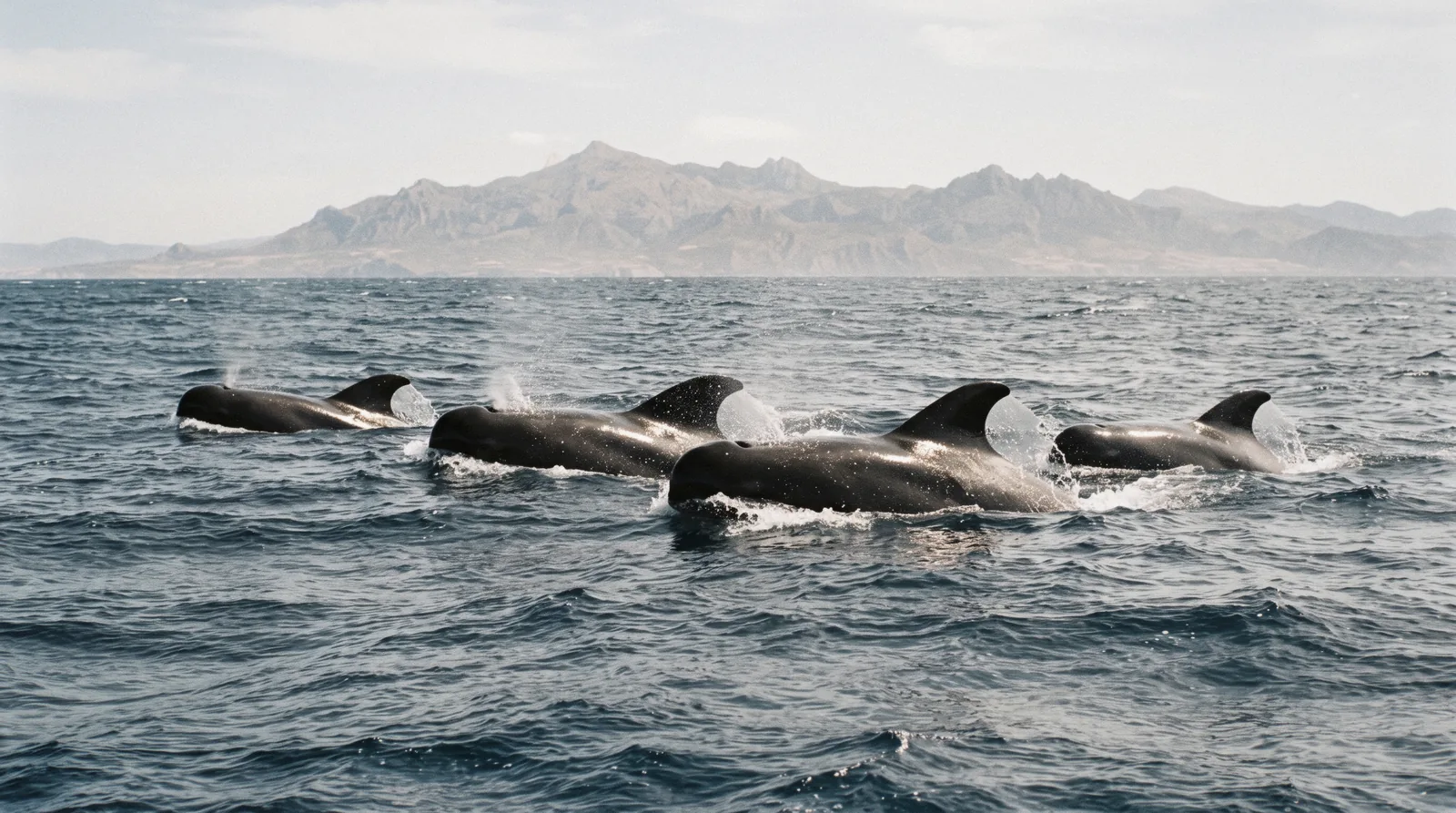
Aerial view of humpback whales and dolphins in Hawaiian waters on Maui whale watching tours

Whale Species & Best Months in Tarifa

Species January–March April–June July–September October–December Likelihood
Long-finned Pilot Whale Resident Resident Resident Resident ~80% in season
Orca (Killer Whale) — — Mid-Jul–mid-Aug — Mid-July to mid-August, not guaranteed
Sperm Whale — Passing Occasional — Best May–July
Fin Whale Migrating Migrating Occasional Migrating Most sightings May–June
Common & Striped Dolphin Resident Resident Resident Resident Almost every trip
Bottlenose Dolphin Resident Resident Resident Resident High
The Strait of Gibraltar is a 14 km bottleneck between two seas and two continents, and everything moving between the Mediterranean and the Atlantic passes Tarifa. Long-finned pilot whales hold territories mid-strait, living in tight matriarchal pods that surface in slow, logging rows. Sperm whales hunt the 900-metre-deep channel from May to July. Fin whales, the second-largest animal on Earth, cross on migration. The stars are the strait's orcas, a critically endangered subpopulation of fewer than 50 animals. Each July and August several pods follow the bluefin tuna run to the banks off Barbate and hunt around the traditional almadraba fishing fleet.

What to Expect on the Day

1

Depart Tarifa port

Boats leave from Tarifa's small harbour beside the old town walls. Check in 30 minutes early at the operator office and confirm the sailing the same morning, since wind can cancel it. The Isla de las Palomas causeway next to the port is mainland Europe's southernmost point, and Morocco's Jebel Musa stands across the water.

2

Into the shipping lanes

The strait carries some of the world's densest ship traffic, and the whales live among it. Captains coordinate with traffic control and other whale boats, crossing the lanes to reach the pilot whale grounds mid-strait, usually within 20-30 minutes of port.

3

Pilot whales and dolphins

Pilot whale pods log at the surface in family rows, dark and blunt-headed, often with dolphins working the same water. Spanish rules (Royal Decree 1727/2007) cap boat speed at 4 knots near the animals and put the engine in neutral when they come within 60 metres. The pods are used to the routine and often surface alongside anyway.

4

The Bay of Algeciras (Algeciras trip)

The Algeciras boat starts inside the bay, where three dolphin species feed around the anchored ships and the Rock of Gibraltar fills the eastern skyline, then rounds Punta Carnero into the strait proper for pilot whales. With ten people and a biologist aboard, the commentary is conversational, so bring your questions.

5

Return past two continents

The ride home frames Tarifa's lighthouse, the wind farms on the Cádiz hills and Africa 14 km off the stern. Trips often add a pass along the old town seawall before docking. The whole excursion fits inside half a day, leaving the rest for Tarifa's beaches or the Tangier ferry.

No whale sighted? Tarifa operators offer a second trip if no cetaceans are sighted, and with resident pilot whales and dolphin pods it is rarely needed. No trip guarantees orcas: the pods follow tuna, not schedules. Wind cancellations (the Levante) are rebooked or refunded in full.

Watch: Humpback Whales in Tarifa

Tarifa Vlog: Whale and Dolphin Watching in the Strait of Gibraltar

What to Bring and What to Leave at Home

✓ Bring

  • Windproof jacket: the strait is windy even on warm days
  • Sunscreen and a strap for your hat, as the Levante takes loose hats
  • Sunglasses for the constant glare off the strait
  • Binoculars for scanning toward the Moroccan shore
  • Seasickness tablets for the 3-hour orca trip, which runs into more open water
  • Passport if you are combining with the Gibraltar dolphin trip, since it is a border crossing

✗ Leave at home

  • Drones, which are prohibited over marine traffic in the strait
  • Rigid plans: Levante cancellations need a flexible day
Seasickness tip: The strait chops up where Atlantic and Mediterranean currents meet, especially in wind. The standard two-hour trip stays close to Tarifa and is manageable for most. The three-hour orca trip runs further into exposed water, so take medication beforehand if in doubt. The Gibraltar and Algeciras bay trips are the calm-water fallback. When the Levante blows hard, operators cancel rather than sail, and a cancelled trip is rebooked or refunded.

Where Tours Depart From

Port / AreaDetails
Puerto de Tarifa Recinto Portuario s/n, 11380 Tarifa, Cádiz. The whale boats and the Tangier ferry share Tarifa's compact port at the foot of the old town, and the operator offices sit opposite the port on Calle Alcalde Juan Núñez. Paid parking inside the port fills by mid-morning in summer. The Gibraltar dolphin trip departs from Gibraltar's marina instead, 45 minutes east plus the border.
Puerto Deportivo de Algeciras (Algeciras trip) Algeciras marina, 22 km east of Tarifa on the N-340: about 25 minutes by car, or the Comes bus from Tarifa. The exact pontoon is confirmed in the booking. Arrive 15 minutes early. Parking is easier than in Tarifa's port.
Tarifa is the southernmost town in mainland Europe: 45 minutes from Gibraltar and Algeciras, 1.5 hours from Cádiz and 1 hour 45 from Málaga airport, all by the N-340/A-48. There is no rail, so drive or take the Comes bus from Algeciras. The town rewards a full day: whale trip at midday, the old town and Playa de los Lances after, and Africa on the horizon throughout.

How to Choose an Ethical Tour

What ethical operators do

  • Choose operators that carry researchers or contribute sightings to strait cetacean studies
  • Expect the Royal Decree 1727/2007 routine: 4 knots near the animals, engine in neutral inside 60 m, no swimming with cetaceans
  • Accept wind cancellations: pressure to sail in a Levante helps no one
  • Combine with a bay dolphin trip rather than repeating the same strait route twice

Red flags to avoid

  • Jet skis or private hires chasing pilot whale pods
  • Operators promising guaranteed orcas
  • Feeding or wake-riding the bay dolphins in Gibraltar

FAQ: Whale Watching in Tarifa

What is the price of Tarifa whale watching tours?

⌄
Tarifa whale watching runs from $38 to $80 per person. The standard two-hour strait trip costs $58 and targets resident pilot whales and dolphins. The small-group Algeciras trip with a marine biologist is $80. Across the bay, Gibraltar's 75-minute dolphin excursion starts at $38 and rates 4.8★. At the port, a 3-hour trip in the orca window costs $78 (€70) for an adult. All trips listed here include free cancellation, and wind-cancelled sailings are rebooked or refunded.

When can you see orcas in Tarifa?

⌄
From mid-July to about mid-August, when the strait's orca pods follow the bluefin tuna migration toward the banks off Barbate and hunt around the almadraba fishing fleet. They are a critically endangered subpopulation of fewer than 50 animals, so no operator can promise them. Tarifa's operators run a 3-hour trip only when an orca sighting is possible. Outside that window orca sightings in the strait are rare.

What whales live in the Strait of Gibraltar?

⌄
Seven cetacean species use the strait: long-finned pilot whales (resident and the backbone of every trip), orcas from mid-July to mid-August, sperm whales hunting the deep channel from May to July, fin whales on migration (most sightings in May and June), and common, striped and bottlenose dolphins resident throughout. On a spring trip it is possible to log five species in two hours.

Which Tarifa whale watching trip is best?

⌄
The two-hour Tarifa strait trip ($58, 4.6★, nearly 1,000 reviews) is the best first choice, since resident pilot whales make it reliable in any month of the season. For a quieter boat with a marine biologist and a ten-person cap, drive to Algeciras for the small-group trip ($80, 4.9★). With young children or a tight budget, the Gibraltar bay dolphin cruise ($38, 4.8★) is the calmest option.

What is the Levante wind and will it cancel my trip?

⌄
The Levante is the strong easterly that funnels through the strait and made Tarifa Europe's wind-sports capital. When it blows hard, whale boats cancel, and it is windier in summer, the high season. Operators rebook or refund in full, so book your trip early in your stay and confirm it the same morning.

Can you see Africa from the whale watching boats?

⌄
Yes, all the way. The strait is 14 km wide at Tarifa, so Morocco's Rif mountains and Jebel Musa fill the southern horizon for the entire trip, and on clear days you can make out buildings around Tangier. The gap between continents is also what concentrates the whales: everything moving between the Atlantic and the Mediterranean passes it.

How do I get to Tarifa?

⌄
Málaga airport is 1 hour 45 minutes by car via the A-7/AP-7 and A-48. Gibraltar and Algeciras are 45 minutes, Cádiz and Jerez about 1.5 hours. There is no train to Tarifa: drive or take the Comes bus from Algeciras. The whale boats leave from the port at the foot of the old town, sharing the harbour with the Tangier ferry.

Is Tarifa whale watching good for families with kids?

⌄
Yes. Tarifa operators charge $33 (€30) for ages 6-14 and $17 (€15) for ages 1-5 on the 2-hour trip, and babies under 1 sail free. For small children or anyone prone to seasickness, the sheltered Gibraltar bay dolphin cruise ($38, 75 minutes) is the gentler choice.

Can you see whales and dolphins from the shore in Tarifa?

⌄
Sometimes. With binoculars and patience, the isthmus of Isla de las Palomas next to the port is the spot, and access is free. Sightings from land are distant and brief and come mostly on calm days, so a boat trip is the reliable way to see them.

Can you see whales in the Mediterranean Sea?

⌄
Yes. Fin whales, sperm whales and pilot whales live in the Mediterranean, and the Strait of Gibraltar at Tarifa is the sea's only natural opening to the Atlantic, which is why so many species pass within a two-hour boat ride of the port.

How much do you tip on a whale watching tour in Tarifa?

⌄
Tipping is optional on group boat trips in Spain. If the crew and biologist made the trip, $3-6 (€3-5) per person is the usual amount for a paid group tour. Hand it to the guide at the end, in cash.

Not the right fit? Browse all whale watching tours across 56 destinations worldwide.

Ready to book your Tarifa whale watching tour?

3+ tours · from From $38 · free cancellation · instant confirmation

See all tours →