



Which Mirissa Whale Watching Tour Is Right for You?
| Tour type | Duration | Group size | Best for | Rating | From | |
|---|---|---|---|---|---|---|
| Budget Shared Boat | 3–5 hrs | 10–30 | Budget travellers, solo visitors, hostel guests | 4.2 | $31 | Check → |
| Blue Whale & Turtle Combo | 4–5 hrs | Small group | First-time visitors wanting the best wildlife combination | 4.8 | $92 | Check → |
| Private Yacht / Catamaran | 4–6 hrs | 6–10 max | Couples, honeymoons, seasickness-prone travellers, small private groups | 4.5 | $225 | Check → |
| Colombo Transfer Tour | Full day (8–10 hrs) | Small group | Visitors based in Colombo without a south-coast hotel | 5 | $91 | Check → |
How much is whale watching in Mirissa?
Whale watching in Mirissa costs $25 to $329 per person on the tours you can book on this page, and LKR 16,000 to 20,000 (about $48 to $60) for an adult on a shared big boat bought from a harbour operator. The line that catches people out is the government wildlife fee: some harbour prices include it, others add it on the day.
Adult prices for Mirissa whale watching, from the bookable tours on this page and the fares operators publish on their own sites. Rupee fares are converted at 1 USD = 332 LKR.
| Trip | Adult price | Boat | Fees and booking |
|---|---|---|---|
| Whale and dolphin cruise with breakfast | from $25 | shared boat, breakfast, 2.5-4 hours | free pickup within 3 km |
| Whale and dolphin cruise with Geeth's Crew | from $31 | shared boat, breakfast | entry ticket extra: add-on or pay on the morning |
| Whale Watching Club | LKR 16,000 (about $48) | shared big boat, 4-6 hours | government tax included, US$19.50 wildlife fee extra |
| Raja and the Whales | LKR 20,000 (about $60) | shared boat, 4-5 hours | all government fees and taxes included |
| Sri Lanka Navy ship from Galle | US$60 plus tax | navy ship, 5 hours, weekends | book with the Navy |
| Ocean Giants from Colombo | from $91 | Colombo transfer included | free cancellation online |
| Blue whale and turtle snorkeling combo | from $92 | about 4 hours plus turtle snorkel | free pickup in the Mirissa area |
| Private luxury yacht | from $225 | private boat | free cancellation online |
| Luxury sailing boat | from $329 | sailing catamaran | free cancellation online |
Before you compare a $25 online ticket with a LKR 20,000 harbour ticket, read the "not included" line on the listing: if the wildlife fee is not in the price, add it. The Navy ship sails from Galle, 30 km west of Mirissa, from November to April.
Source: Whale Watching Club, Raja and the Whales, Sri Lanka Navy whale watching.
How much is the Mirissa whale watching ticket for children and locals?
Children pay about half: LKR 10,000 (about $30) with both Whale Watching Club (ages 5-10) and Raja and the Whales (ages 5-11), and under-5s ride free with Raja. A separate fare for Sri Lankan residents is published only for the Navy ship, LKR 7,000 plus tax for an adult.
Mirissa whale watching ticket prices by passenger, as each operator publishes them:
| Passenger | <a href="https://www.whalewatchingclub.com/whale-watching-mirissa.php">Whale Watching Club</a> | <a href="https://rajaandthewhales.com/whale-watching-trips-mirissa/">Raja and the Whales</a> | Sri Lanka Navy ship |
|---|---|---|---|
| Foreign adult | LKR 16,000 + US$19.50 wildlife fee | LKR 20,000, fees included | US$60 plus tax |
| Child | LKR 10,000 (ages 5-10) | LKR 10,000 (ages 5-11) | US$30 plus tax (ages 6-12) |
| Youngest children | not listed | free under 5 | free under 6 |
| Sri Lankan adult | not listed | not listed | LKR 7,000 plus tax |
| Sri Lankan child | not listed | not listed | LKR 3,500 plus tax (ages 6-12) |
Source: Whale Watching Club, Raja and the Whales, Sri Lanka Navy whale watching.
What does a Mirissa whale watching ticket include?
A standard Mirissa whale watching ticket covers a 4-6 hour boat trip, breakfast on board, drinking water, a life jacket and an English-speaking guide. What changes from one operator to the next is the wildlife fee, hotel pickup and the snacks.
- Whale Watching Club: tea or coffee, breakfast on board, fruit and snacks on the way back, water, life jackets, passenger insurance, a lifeguard and a toilet. The US$19.50 Department of Wildlife Conservation fee is paid on top.
- Raja and the Whales: hotel pickup within 6 km of Mirissa, a full breakfast with vegan and vegetarian options, water, juice and snacks, the day's best photos by email and every government fee and tax.
- Whale Watching Mirissa: breakfast, a fruit plate, light snacks, bottled water, seasickness tablets, life jackets, insurance and government taxes.
- Sri Lanka Navy ship: a snack pack with soft drinks on the 5-hour cruise.
- The tours on this page: each card lists its own inclusions, and the combos add a turtle snorkel, Coconut Hill or a Colombo transfer.
Source: Whale Watching Club, Raja and the Whales, Whale Watching Mirissa, Sri Lanka Navy whale watching.
Which Mirissa whale watching package should you book?
A Mirissa whale watching package adds one thing to the boat trip: breakfast, a turtle snorkel, a Coconut Hill stop, a Colombo transfer or a private boat. Pick the add-on you actually want, because the whales are the same from every boat.
- Cruise with breakfast (from $25): the shared trip plus breakfast and pickup.
- Blue whale and turtle snorkeling combo (from $92) or whale and turtle boat tour (from $75): a snorkel with sea turtles after the whales.
- Whale, dolphin and snorkeling tour (from $165) and whale watching, snorkeling and Coconut Hill (from $189): a full morning with a land stop.
- Ocean Giants from Colombo (from $91): the road transfer from Colombo both ways, for a day trip without a south-coast hotel.
- Private luxury yacht (from $225) or luxury sailing boat (from $329): your own boat and fewer people on deck.
How much is dolphin watching in Mirissa?
Dolphin watching in Mirissa costs the same as whale watching, because it is the same boat trip: from $25 on the cheapest tour here, or LKR 16,000-20,000 (about $48-$60) at the harbour. Every tour on this page is sold as a whale and dolphin trip, and none of them has a cheaper dolphin-only fare. Spinner dolphins travel in large pods off Mirissa, and Whale Watching Club puts the chance of seeing dolphins at about 90 percent.
Source: Whale Watching Club.
What time does Mirissa whale watching start and how long does it take?
Mirissa whale watching boats leave the harbour between 6:30 and 7:00 AM, and most operators want you at the harbour or ready for hotel pickup from 6:00 AM. A trip usually lasts 4 to 5 hours. Raja and the Whales says it can run anywhere from 2 to 8 hours because the boat goes where the whales are that day, and Whale Watching Club quotes 4 to 6 hours, sometimes 7.
Plan nothing before lunch on whale day. Operators do not turn back early for seasickness or a missed connection, so a late-morning train or bus is the wrong plan.
Source: Whale Watching Club, Raja and the Whales.
Is whale watching in Mirissa worth it?
Mirissa whale watching is worth it from December to April if you go in knowing the odds. Raja and the Whales puts the chance of any whale at about 50 percent and of a blue whale at about 20 percent per trip, Whale Watching Club also quotes about 50 percent for whales, and dolphins turn up on about 9 trips in 10. No operator guarantees a sighting.
Three things raise your odds: book the trip early in your stay so a second morning is possible, go in January to March when the sea is calmest, and pick a larger or more stable boat if you get seasick, because the boat will not turn back early.
Source: Raja and the Whales, Whale Watching Club.

Whale Species & Best Months in Mirissa
| Species | January–March | April–June | July–September | October–December | Likelihood |
|---|---|---|---|---|---|
| Blue Whale | Peak | Present | — | Seasonal | November–April (peak Jan–March) |
| Sperm Whale | Common | Occasional | — | Occasional | 30–40% of peak-season trips |
| Fin Whale | Occasional | Rare | — | Rare | Irregular: Jan–March |
| Spinner Dolphin | Common | Common | Common | Common | Year-round, large pods |
| Bottlenose Dolphin | Common | Common | Common | Common | Year-round |
What to Expect on the Day
Check in at Mirissa Harbour around 6:00 AM
Mirissa Fishing Harbour sits at the western end of Mirissa Beach, at the foot of Parrot Rock. Operators send the departure time the evening before. Check-in or hotel pickup is from about 6:00 AM, and boats leave between 6:30 and 7:00 AM. The harbour is small and busy at this hour, with fishing boats and whale watching boats loading side by side. Keep your booking confirmation ready and the guide will find you.
Ocean crossing to the feeding grounds (20–40 minutes)
From the harbour the boat heads south-southwest into the Indian Ocean, passing Parrot Rock and Coconut Hill. The sea is usually glass-calm at this hour in peak season. As the coast recedes behind you, the first sign of whales is often a distant white column of vapour on the horizon: a blue whale blow, visible 1–2 km away. Guides scan the horizon constantly. On some days the boat encounters dolphins within minutes of leaving the harbour.
First blue whale sighting
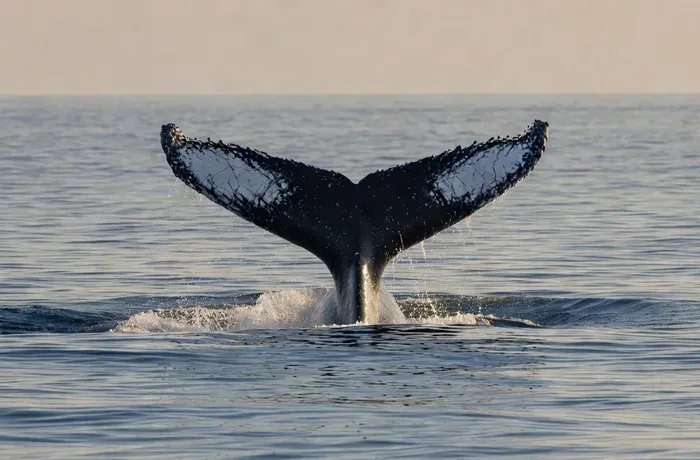
The typical first encounter: the guide spots a blow, the engine drops to idle, and the boat drifts toward the whale at slow speed to observe from 100–200 metres. Blue whales surface 3–8 times in sequence (called a surfacing series), each surfacing showing the enormous back rolling slowly out of the water, the tiny curved dorsal fin visible near the tail. Between surfacings the whale rests just below the surface for 2–10 minutes, then the back rolls out again. Eventually the whale arches its back and slides into a deep dive. If the flukes come up, it is a long deep dive. If the back just slides under, it is a short dive. The wait between deep dives is 10–20 minutes.
Dolphins and secondary wildlife
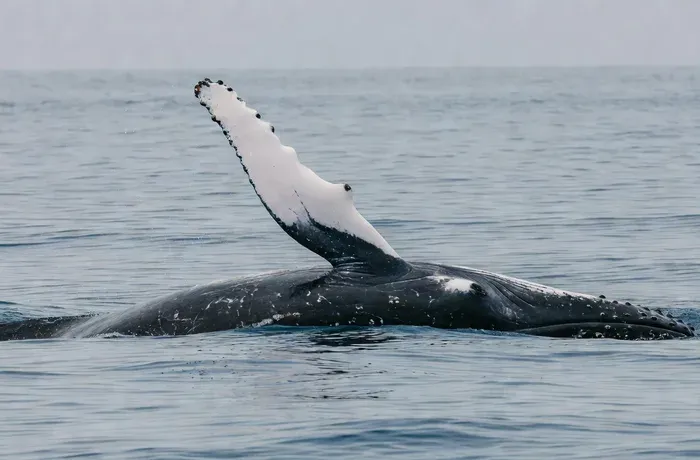
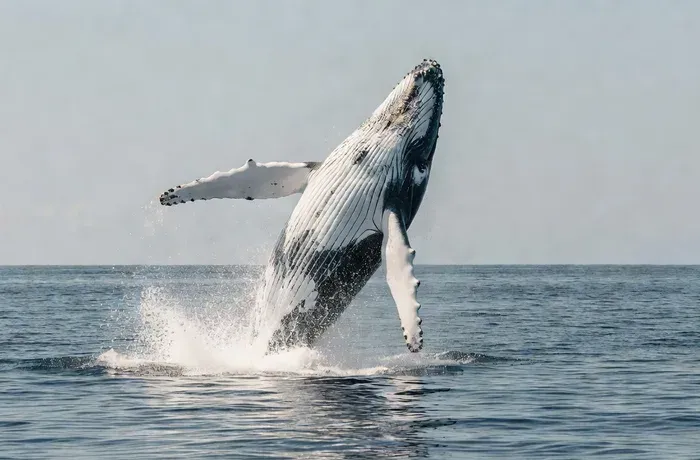
Spinner dolphins are almost guaranteed on every Mirissa trip: pods of 50–500 individuals are common, travelling rapidly and leaping in the boat's wake. Some pods ride the bow wave for extended periods. Bottlenose dolphins are also resident. If sperm whales are present, the guide will recognise the angled left-side blow immediately. Sperm whale encounters are longer because these whales surface more often and are less skittish. On rare trips, a blue whale breach or pec slap is observed: these are unpredictable but documented in Mirissa waters.
Return and post-trip activities
Most boats are back in Mirissa Harbour between late morning and early afternoon, depending on how far out the whales were. The <a href="#tour-1">turtle snorkeling combo</a> stops at the shallow reef near the harbour on the way back, and the <a href="#tour-7">Coconut Hill tour</a> adds a short walk above the harbour with views along the coast. The sun is strong by late morning, so plan a simple beach lunch and a rest after the early start.
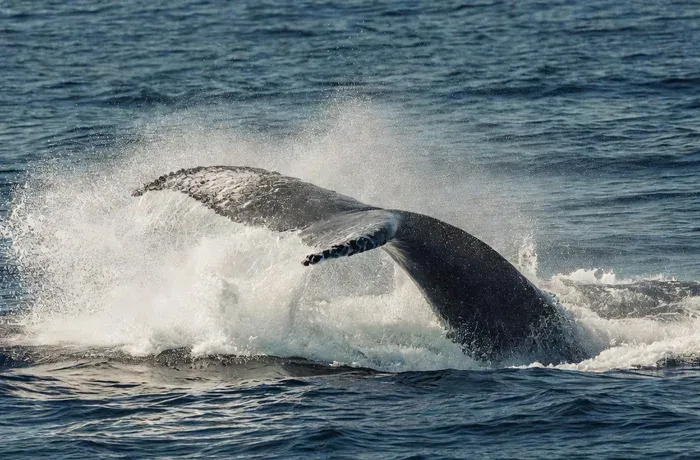
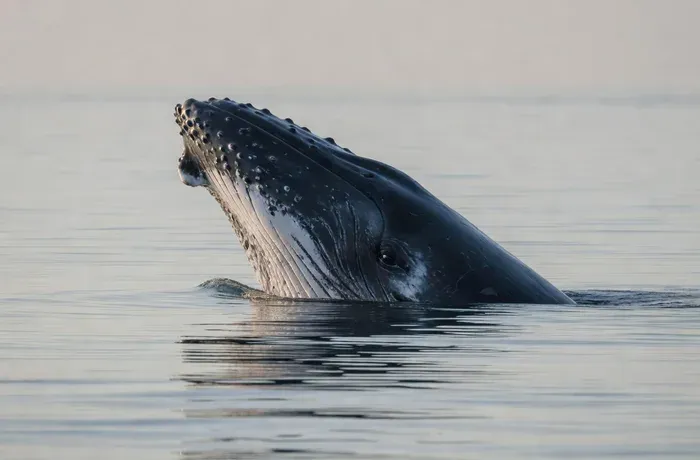
Watch: Humpback Whales in Mirissa
Whale Watching in Mirissa, Sri Lanka: We Saw a Blue Whale!
What to Bring and What to Leave at Home
✓ Bring
- Light clothing: Mirissa is tropical (27-31°C), but the breeze on the water at 7 AM can feel cool
- Sunscreen SPF 50+ and a wide-brim hat: equatorial sun reflects intensely off a calm Indian Ocean
- Seasickness medication if sensitive, as open ocean swells can be 0.5–1.5 metres on small boats
- Binoculars: blue whale blows are visible from 2 km and binoculars dramatically improve the experience
- Waterproof case for your phone, since ocean spray is frequent even on calm days
✗ Leave at home
- Heavy luggage. This is an early-morning ocean trip, not an excursion. Travel light
- Strong food smells on the smaller shared boats, where space and fresh air are limited
Where Tours Depart From
| Port / Area | Details |
|---|---|
| Mirissa Fishing Harbour | Mirissa Harbour, Mirissa 81740, Matara District, Southern Province, Sri Lanka. GPS: 5.9485° N, 80.4503° E. The departure point for Mirissa whale watching tours, at the western end of Mirissa Beach below Parrot Rock and Coconut Hill. Walking distance from Mirissa beach accommodation. Tuk-tuks from Weligama and nearby towns take 10-20 minutes. |
How to Choose an Ethical Tour
What ethical operators do
- Use only licensed operators who follow the Sri Lanka Wildlife Conservation Society guidelines on whale watching
- Maintain at least 100 metres from blue whales: their feeding requires undisturbed surfacing cycles
- Choose operators with smaller group sizes (under 20 passengers) for less noise and a more respectful encounter
- Stay seated and quiet when the boat is alongside a whale, because movement and noise disturb the animals
Red flags to avoid
- Operators who chase or intercept feeding whales: check reviews for guide behaviour as well as sighting rates
- Flash photography near blue whales: disruptive, especially during logging or feeding at the surface
- Throwing food to attract dolphins: many Mirissa operators do this and it is harmful. Avoid operators who do.