Destinations Whale Species When to Go Travel Guides
Browse all tours →

45 destinations · Free cancellation

Redcliffe · Moreton Bay · Queensland

Brisbane Whale Watching Tours

Brisbane whale watching tours run in Moreton Bay Marine Park, where more than 30,000 humpbacks pass between June and November on the east coast migration. The bay works differently from open-ocean whale watching: mothers and calves stop here to rest in sheltered water, so boats reach whales within an hour of the wharf and every cruise operator guarantees a sighting. Departures leave from Redcliffe Jetty and the Tangalooma ferry terminal at Pinkenba.

Sightings guaranteed on every cruise Moreton Bay Marine Park Departs Redcliffe & Holt Street Wharf June to November season 30,000+ humpbacks migrate past Brisbane

Check Availability

30,000+ Annual humpbacks
From $116 Lowest price
Jun–Nov Season
4.8★ Top-rated tour
670+ Combined reviews

Whale Watching Tours in Brisbane

Moreton Island: Tangalooma Day Trip & Whale Watching Cruise whale watching Brisbanefrom $116

Moreton Island: Tangalooma Day Trip & Whale Watching Cruise

★★★★★4.5(131 reviews)·3–8 hrs
  • Free cancellation up to 24 hours before
  • Certified naturalist commentary on board
  • Instant confirmation via email
Check Availability →
Brisbane: Whale Watching Cruise with Lunch whale watching BrisbaneTop Pickfrom $130

Brisbane: Whale Watching Cruise with Lunch

★★★★★4.8(482 reviews)·3–8 hrs
  • Free cancellation up to 24 hours before
  • Certified naturalist commentary on board
  • Instant confirmation via email
Check Availability →
Moreton Island: Tangalooma Whale Watching & Dolphin Feeding whale watching Brisbanefrom $167

Moreton Island: Tangalooma Whale Watching & Dolphin Feeding

★★★★★4.7(59 reviews)·3–8 hrs
  • Free cancellation up to 24 hours before
  • Certified naturalist commentary on board
  • Instant confirmation via email
Check Availability →
Brisbane: Whale Watching and Marine Life Helicopter Tour whale watching Brisbanefrom $473

Brisbane: Whale Watching and Marine Life Helicopter Tour

·3–8 hrs
  • Free cancellation up to 24 hours before
  • Certified naturalist commentary on board
  • Instant confirmation via email
Check Availability →

How Much Does Brisbane Whale Watching Cost?

Brisbane whale watching cruises cost $116–$167 depending on what the day includes. The Tangalooma day trip at $116 bundles the ferry crossing and a 3-hour whale cruise. The Eye Spy lunch cruise at $130 spends the most time on the water. A one-hour helicopter flight over the migration route from Point Lookout costs $473.

Budget
From $116

A full Moreton Island day trip: 75-minute ferry from Brisbane, beach and resort time at Tangalooma, then a 3-hour whale watching cruise with guaranteed sightings. The cheapest way to see Moreton Bay humpbacks, and you get an island day out of it.

Premium
From $473

A one-hour scenic helicopter flight from Point Lookout on North Stradbroke Island, tracking whales along the migration corridor from above. You see whole pods at once, plus dolphins, turtles, rays and dugongs in the clear water. No sighting guarantee applies to flights.

What affects the price?

Bottom line: The Eye Spy lunch cruise at $130 is the best value in Brisbane: the highest rating (4.8★, 482 reviews), the longest time on the water, lunch included, and a guaranteed-sighting policy backed by 30 years of operating in the bay.

Which Brisbane Whale Watching Tour Is Right for You?

Tour Duration Format Best for Rating From
Tangalooma Day Trip & Whale Cruise Full day Ferry + cruise boat Families, first-timers, island day 4.5★ $116 Check →
Eye Spy Lunch Cruise (Redcliffe) 5–8 hrs Purpose-built catamaran Whale-focused travellers, photographers 4.8★ $130 Check →
Tangalooma Whales + Dolphin Feeding Full day Ferry + cruise boat Wildlife fans who want whales and dolphins in one day 4.7★ $167 Check →
Helicopter Flight (Point Lookout) 1 hr Small aircraft Special occasions, aerial photography New $473 Check →
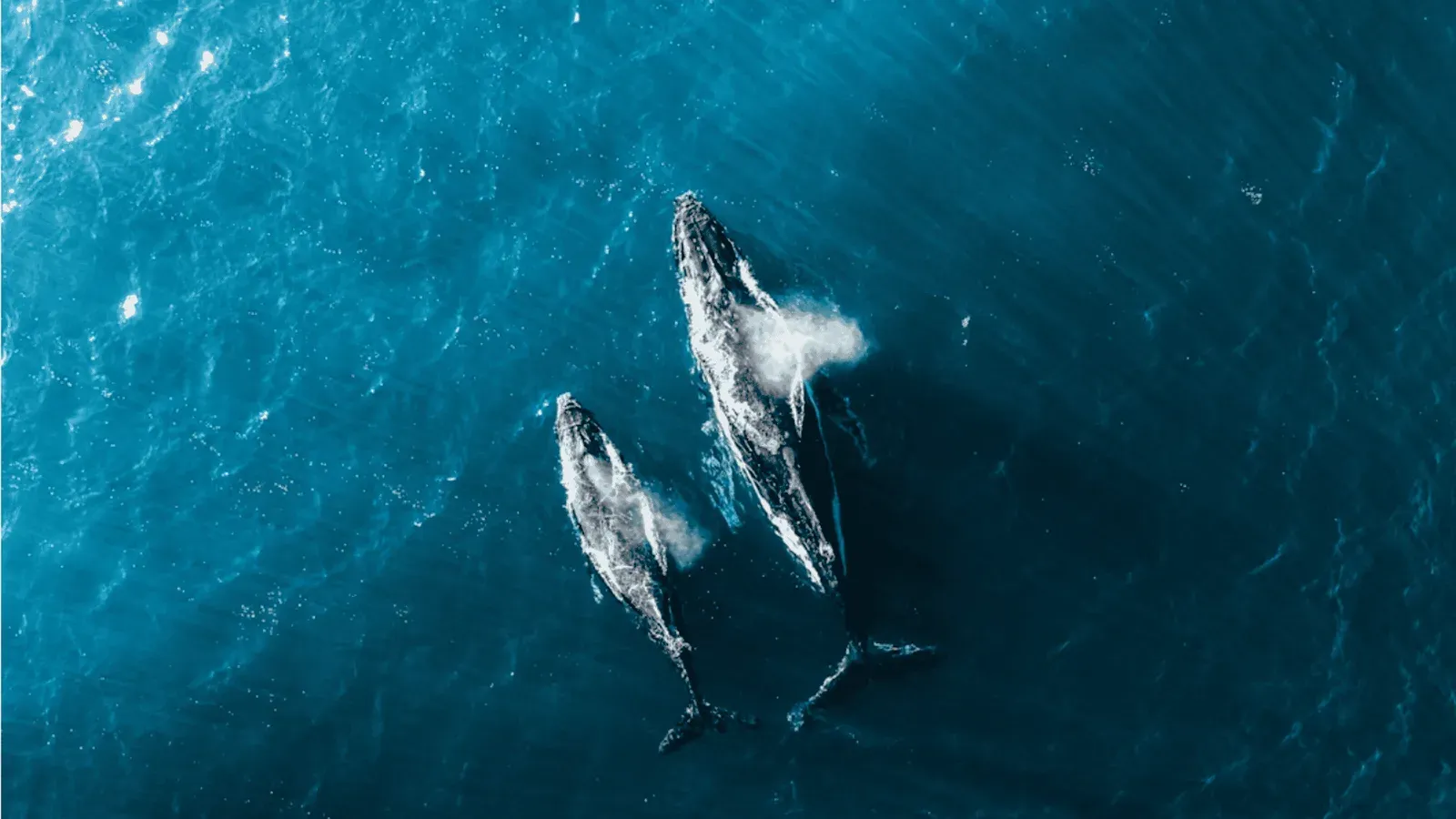
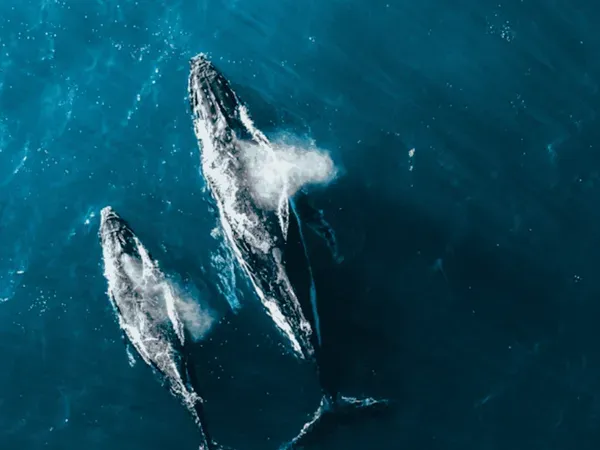
Aerial view of humpback whales and dolphins in Hawaiian waters on Maui whale watching tours

Whale Species & Best Months in Brisbane

Species January–March April–June July–September October–December Likelihood
Humpback Whale Migration ↑ Peak Migration ↓ Guaranteed Jun–Nov
Humpback Calf Rare Common Common August–November
Southern Right Whale Rare Rare Occasional winter
Minke Whale Rare Rare Rare — offshore
Bottlenose Dolphin Common Common Common Common Year-round
Dugong Resident Resident Resident Resident Year-round — seagrass flats
Moreton Bay holds one of the largest dugong populations in eastern Australia, grazing the seagrass flats off Moreton Island year-round; helicopter passengers spot them in the clear shallows. The humpbacks follow a two-way schedule: adults push north to Great Barrier Reef breeding grounds in June and July, then return south from August with newborn calves. Mothers pull into the bay's calm eastern edge to rest and nurse, which is why September cruises so often find a calf practising breaches beside its mother.

What to Expect on the Day

1

Check-in at Redcliffe or Holt Street Wharf

The Eye Spy cruise boards at Redcliffe Jetty on the Redcliffe Peninsula, about 45 minutes north of the Brisbane CBD. Tangalooma day trips check in at Holt Street Wharf, Pinkenba, 20 minutes from the CBD and close to Brisbane Airport; arrive an hour before the ferry sails. Both operators brief passengers on the day's conditions and recent whale activity before departure.

2

Crossing Moreton Bay

The bay crossing takes 60–75 minutes past sand islands, shipping channels and the seagrass flats where dugongs graze. Bottlenose dolphins ride the bow wake on most crossings. The whale grounds sit along the bay's eastern edge, between Moreton Island and North Stradbroke Island, where the migration corridor funnels through deeper water.

3

First sighting and approach

Crews find whales by watching for blows, which hang in the winter air like puffs of steam. Queensland regulations cap the approach at 100 metres, and skippers cut engines to let curious whales close the gap themselves. Moreton Bay humpbacks are known for mugging: circling a stationary boat, spy-hopping beside the rail, holding position for half an hour.

4

Surface behaviour

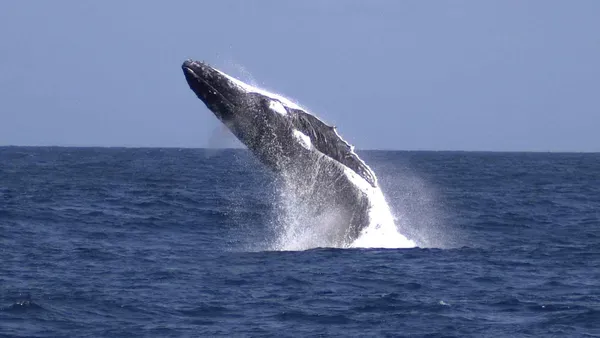
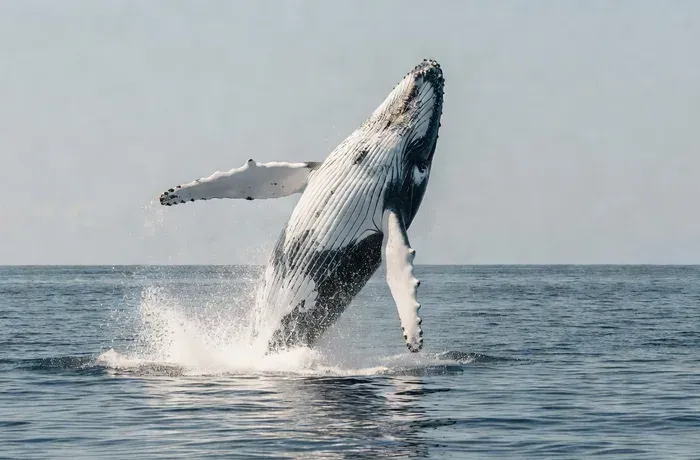
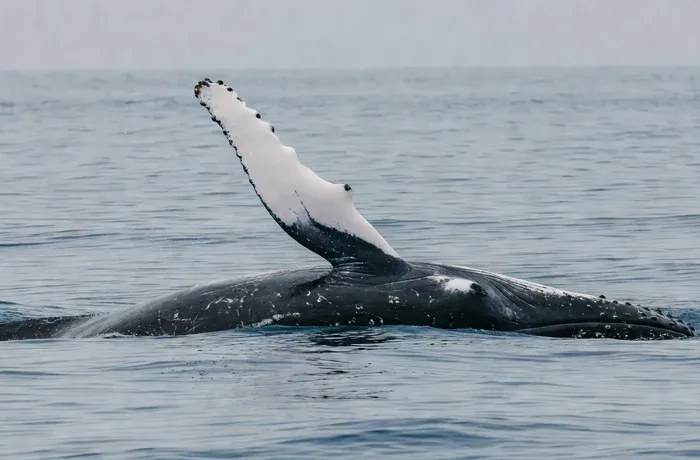
June and July bring travelling adults: fast, purposeful, breaching to signal in choppy water. From August the southbound mothers arrive with calves a few weeks old and settle into the bay's calm water to rest. September and October cruises regularly watch a calf attempt clumsy half-breaches while its mother pec-slaps alongside. On quiet days the crew drops a hydrophone so passengers hear the males singing.

5

Return, or dolphins at sunset

The Eye Spy returns to Redcliffe by late afternoon after serving its buffet lunch in the whale grounds. Tangalooma day-trippers ferry back to Brisbane in the evening; guests on the premium tour stay for the resort's supervised wild dolphin feeding at the floodlit jetty first, then catch the late ferry. Buses and trains connect both wharves back to the CBD.

No whale sighted? Both cruise operators guarantee sightings: the Eye Spy and the Tangalooma boats issue a free return cruise if no whale is seen. The guarantee is realistic rather than promotional, since sighting rates in Moreton Bay exceed 98% between June and October. The helicopter flight carries no guarantee.

Watch: Humpback Whales in Brisbane

Brisbane whale watching | great humpback whale watching experience at Moreton Bay - Brisbane

What to Bring — and What to Leave at Home

✓ Bring

  • Sunscreen and a hat — Queensland winter sun is strong on open decks
  • Light jacket — the bay crossing is breezy even on warm days
  • Camera or smartphone
  • Swimwear and a towel for the Tangalooma day trips — beach time comes before the cruise
  • Photo ID and your booking confirmation for ferry check-in

✗ Leave at home

  • Heavy luggage — ferry and boat storage is limited
  • Pets
Seasickness tip: Moreton Bay is sheltered by Moreton and North Stradbroke islands, so conditions stay calmer than open-ocean whale watching. The Eye Spy catamaran adds hull stability on the days a swell pushes through the passage. If you are prone to motion sickness, the bay is one of the gentler places in Australia to watch whales; the helicopter flight (t4) avoids the water entirely.

Where Tours Depart From

Port / AreaDetails
Redcliffe Jetty, Redcliffe Peninsula Redcliffe Parade, Redcliffe QLD 4020. Home port of the Eye Spy catamaran (t2). Drive 45 minutes north of the Brisbane CBD, or take the train to Kippa-Ring and a short bus or taxi to the jetty. Free and paid parking within walking distance. Cafés along Redcliffe Parade open before morning boarding.
Holt Street Wharf, Pinkenba Holt Street, Pinkenba QLD 4008. The Tangalooma ferry terminal for both Moreton Island tours (t1, t3). Twenty minutes from the Brisbane CBD, ten from Brisbane Airport. Paid parking on site; check-in closes 30 minutes before the ferry departs. The crossing to Tangalooma takes about 75 minutes.
Point Lookout, North Stradbroke Island Point Lookout QLD 4183. Departure point for the helicopter flight (t4). Reach North Stradbroke Island by vehicle ferry or water taxi from Cleveland, then drive or taxi to Point Lookout. The headland is itself Australia's best-known shore-based whale watching spot; allow a full day for the island.
Brisbane Airport (BNE) sits closer to the whale boats than the city does: Holt Street Wharf is a 10-minute taxi from the terminals. From the CBD, allow 20 minutes to Pinkenba and 45 to Redcliffe. Public transport reaches both wharves but adds time; a taxi or rideshare is the practical choice for early check-ins. No rental car is needed for any cruise.

How to Choose an Ethical Tour

What ethical operators do

  • Keep the legal 100-metre minimum distance from whales (Queensland Marine Parks regulations)
  • Choose operators holding Moreton Bay Marine Park whale watching permits
  • Stay seated or hold the rail during encounters and let whales approach the boat
  • Report harassment or vessel violations to the Queensland Department of Environment

Red flags to avoid

  • Swimming with or approaching whales in the water (prohibited in Queensland)
  • Jet skis within 300 metres of a whale (illegal under Queensland rules)
  • Feeding dolphins or any wild marine animal outside Tangalooma's licensed, supervised program

FAQ — Whale Watching in Brisbane

What is the price of Brisbane whale watching tours?

Brisbane whale watching cruises cost between $116 and $167. The cheapest option at $116 is the Tangalooma day trip, which includes the Moreton Island ferry and a 3-hour whale cruise with guaranteed sightings. The best value pick is the Eye Spy lunch cruise from Redcliffe at $130, rated 4.8★ with a buffet lunch and up to 5 hours on the water. The premium Tangalooma tour with sunset dolphin feeding costs $167, and a one-hour helicopter flight from Point Lookout costs $473. All tours include free cancellation.

Is whale watching good in Brisbane?

Brisbane ranks among the most reliable whale watching cities in the world between June and November. The east coast humpback migration of more than 30,000 whales funnels past Moreton Bay, and mothers with calves enter the bay itself to rest in calm water. Sighting rates exceed 98% in season, which is why both cruise operators back a free-return guarantee. The bay's shelter also means flatter water than open-ocean whale watching in most of Australia.

When is the best time for whale watching in Brisbane?

The season runs June to November, with July to September as the peak. June and July bring the heaviest northbound traffic as adults head for Great Barrier Reef breeding grounds. From August the southbound mothers return with newborn calves and rest inside Moreton Bay, so September combines high whale numbers with the best mother-calf encounters. November catches the last southbound stragglers.

Where do Brisbane whale watching tours depart from?

Two wharves serve the cruises. The Eye Spy catamaran sails from Redcliffe Jetty, 45 minutes north of the CBD. The Tangalooma day trips leave from Holt Street Wharf in Pinkenba, 20 minutes from the CBD and 10 from Brisbane Airport, with a 75-minute ferry crossing to Moreton Island. The helicopter flight departs Point Lookout on North Stradbroke Island, reached by ferry from Cleveland.

Are whale sightings guaranteed in Brisbane?

Yes, on every cruise. Both the Eye Spy and the Tangalooma operators issue a free return cruise if no whale is sighted, a policy they can afford because Moreton Bay sighting rates run above 98% from June to October. The helicopter flight is the exception: aerial tours carry no sighting guarantee.

What whales can you see in Moreton Bay?

Humpbacks dominate: adults heading north in June and July, mothers with calves resting in the bay from August to November. Southern right whales and minke whales turn up in small numbers most winters. Bottlenose dolphins live in the bay year-round and ride the bow wake on most crossings, and Moreton Bay holds one of eastern Australia's largest dugong populations on its seagrass flats.

Can you see whales from shore near Brisbane?

Yes. Point Lookout on North Stradbroke Island is Australia's best-known land-based whale watching spot; the migration corridor passes close under the headland, and the gorge walk there doubles as a free viewing platform from June to November. Cape Moreton on Moreton Island works the same way. A boat still gets you far closer, but a Straddie day trip pairs well with the helicopter flight that departs from the same headland.

How long is a Brisbane whale watching tour?

The Eye Spy cruise from Redcliffe runs 5 to 8 hours depending on where the whales are, with lunch served on board. The Tangalooma options are full-day trips: a 75-minute ferry each way around a 3-hour whale cruise, returning to Brisbane in the evening. The helicopter flight lasts one hour in the air. Plan a full day for any of them except the flight.

Browse whale watching tours across the Pacific and worldwide — 45 destinations on one site.

Ready to book your Brisbane whale watching tour?

4+ tours · from From $116 · free cancellation · instant confirmation

See all tours →