Which Big Island Whale Watching Tour Is Right for You?
| Tour | Duration | Group size | Best for | Rating | From | |
|---|---|---|---|---|---|---|
| Whale Watch Excursion | 2–3 hrs | Up to 40 pax | First-time visitors wanting a classic Kona experience | 4.8 | $151 | Check → |
| Kona Whale Watching Cruise | 2–3 hrs | Up to 60 pax | Families and groups wanting a comfortable catamaran | 4.7 | $109 | Check → |
| Small-Group Waikoloa | 2 hrs | 6–18 pax | Waikoloa resort guests and those wanting a premium small-group experience | — | $129 | Check → |
| Catamaran Guarantee | 2–3 hrs | Up to 50 pax | Visitors who want certainty — first trip or once-in-a-lifetime visit | — | $80 | Check → |
Month-by-Month Guide
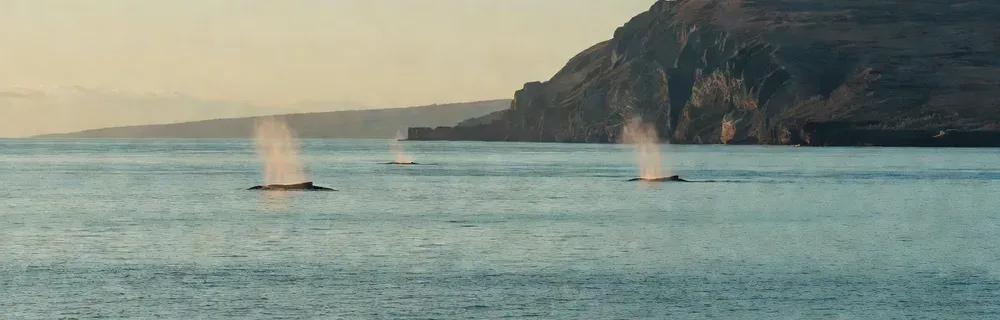
First humpbacks arrive off the Kona coast. Calm December seas are ideal for photography. Spinner dolphins are constant companions. Off-peak prices and smaller tour groups.
Whale population builds rapidly. Competitive male groups forming, frequent breaching displays along the Kona coast. Warm sunny conditions with calm leeward seas. Book 3–5 days ahead.
Maximum humpback activity in Kona waters. Heat runs, mothers nursing calves, constant behavioral displays. The clearest Kona water of the year for below-surface viewing. Book a week ahead.
Mothers and calves take over from competitive groups. Calves are learning to breach and wave their pec fins — one of the most photogenic whale watching experiences anywhere in Hawaii.
Whales begin migrating north to Alaska. Early April is still very reliable; late April sightings are less consistent. The last chance to catch the season before Kona's summer calm begins.
Which Harbor Should You Depart From?
Kailua-Kona Pier
Most Kona hotel guests. The central hub for Big Island whale watching — most operators depart here. Walk from Kona town restaurants and shops.
Honokohau Harbor
Some operators depart here instead of the pier. Free parking is easier than at the pier and the harbor itself is more sheltered.
Kawaihae Harbor
Waikoloa and Mauna Kea resort guests. The small-group Waikoloa tour departs from this quieter harbor. Good free parking and a short walk from the boat launch.
Whale Species & Best Months in Big Island
| Species | January–March | April–June | July–September | October–December | Likelihood |
|---|---|---|---|---|---|
| Humpback Whale | Peak | Departing | — | Arriving | ~80–88% |
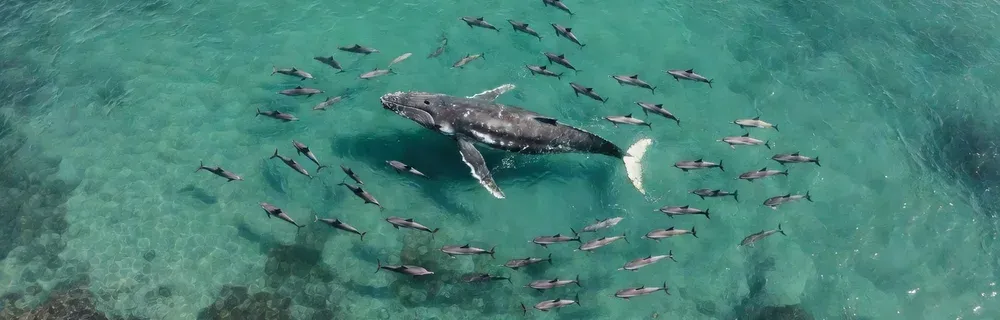
| Spinner Dolphin | Common | Common | Common | Common | Year-round |
| Bottlenose Dolphin | Occasional | Occasional | Occasional | Occasional | ~20% |
| Manta Ray | Common | Common | Common | Common | Year-round |
What to Expect on the Day
Arrival at harbor
Check in at Kailua-Kona Pier, Honokohau Harbor, or Kawaihae Harbor 20–30 minutes before departure. Crew issues life jackets and checks names on the manifest.
Harbor parking in Kona fills fast on weekends — arrive 40 minutes earlySafety briefing
Captain covers marine sanctuary rules: 100-yard minimum distance from whales, no swimming near cetaceans, no drone use within sanctuary boundaries.
Ask the captain about water conditions for the day — Kona is usually glassy by 7amHeading offshore
The boat heads south or north along the Kona coast. Whale grounds are typically 0.5–4 miles offshore. The volcanic cliffs of Mauna Loa fill the horizon. Travel time to whale ground is 5–15 minutes.
Spinner dolphins often escort the boat from the harbor — watch for them alongside the hullFirst sighting
Naturalist spots the tall white blow from an elevated position. Captain reduces speed and approaches within the legal 100-yard limit. In Kona's clear water, the whale's shadow is often visible below the surface before it emerges.
Look down into the water as well as at the surface — Kona visibility means you may see a whale 30 feet belowObservation
15–25 minutes alongside one whale or pod. Kona's calm conditions mean the boat stays positioned with minimal drift. Naturalist narrates the individual animal's behavior and markings in real time.
Burst mode captures tail slaps and pec fin waves that happen fast and without warningSpinner dolphin encounter
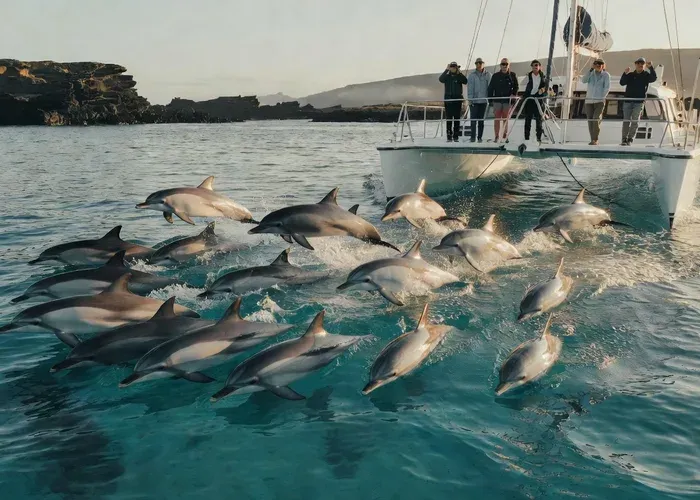
Most Kona whale tours also encounter spinner dolphins — resident pods of 20–200 that surf bow waves and perform aerial spins. Naturalist explains the differences between spinner and humpback behavior.
Spinner dolphins are most active in the morning — earlier departure times usually see larger podsReturn to harbor
After 2–3 hours the boat returns along the volcanic coast. Many operators provide a complimentary rebooking if no whale was sighted. Free whale rebooking is rarely needed in January and February.
Tip the crew — Kona captains often track individual whales by fluke pattern across multiple seasonsHumpback Whale Behaviors to Watch For
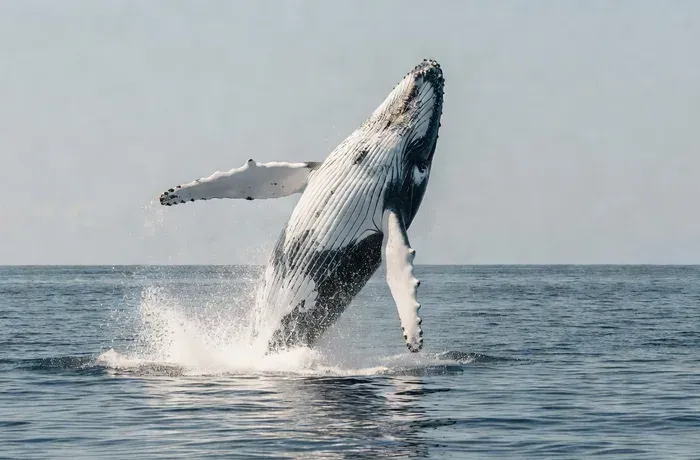
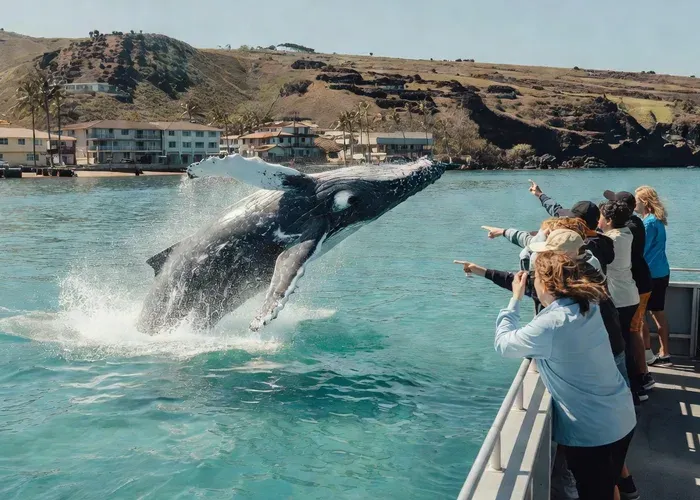
A 40-ton humpback launches completely clear of the water, twists mid-air, and crashes back with a thunderous splash. In Kona's clear water, you can sometimes watch the whale accelerating below the surface before it launches.
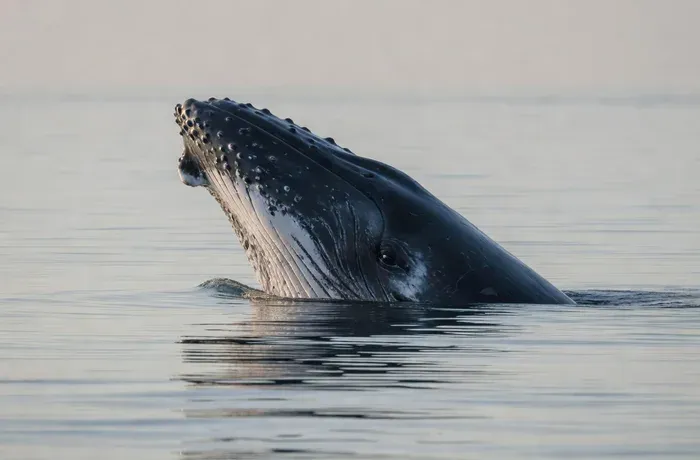
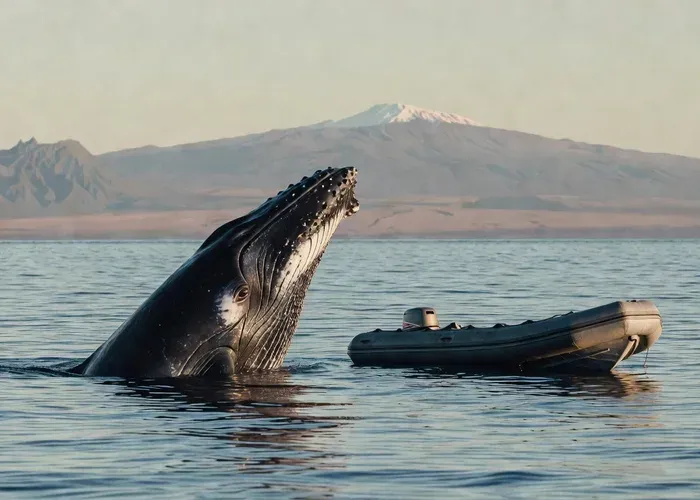
The whale rises vertically, holding its head above the surface for several seconds. The large dark eye becomes briefly visible — often done near vessels, apparently out of curiosity.
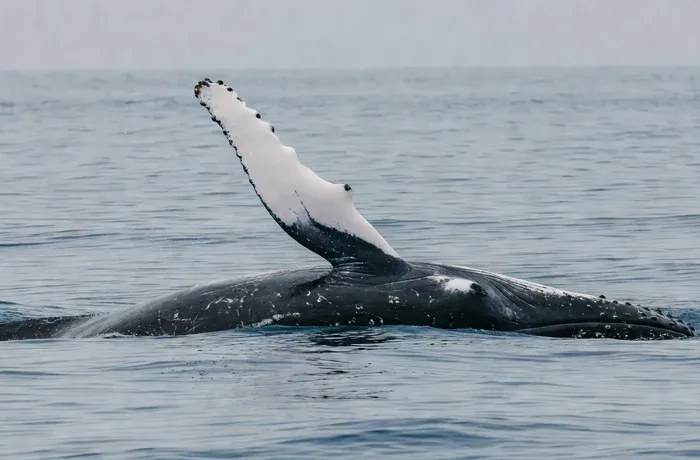
The whale rolls sideways and slaps a 15-foot white pectoral fin repeatedly on the surface. In Kona's calm conditions, the crack is audible from hundreds of yards and carries underwater through the hydrophone.
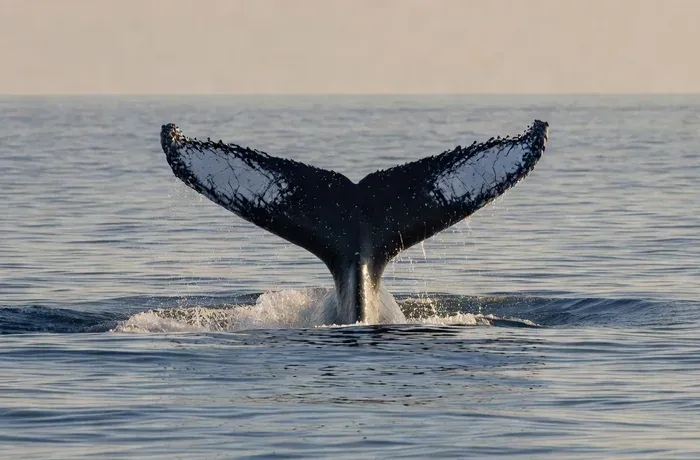
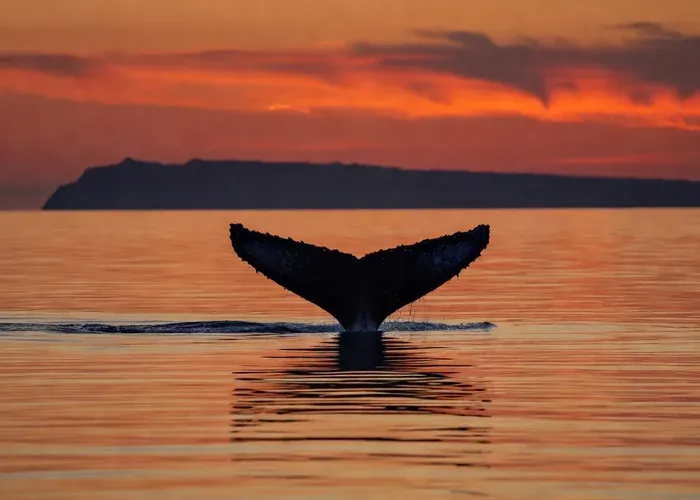
The classic tail-up dive as the whale descends to depth. Kona's clear water sometimes allows you to watch the whale sink through 30–50 feet below the surface after the fluke disappears.
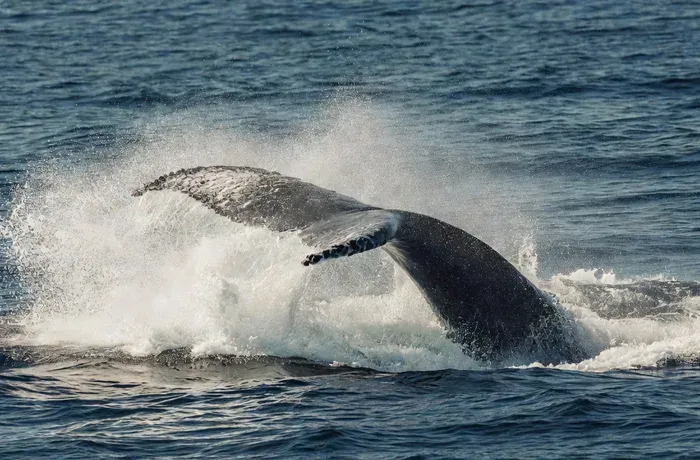
The tail stock raised sideways and slapped forcefully on the surface in rapid repetition. Common during competitive male encounters — particularly frequent in January and February off the Kona coast.
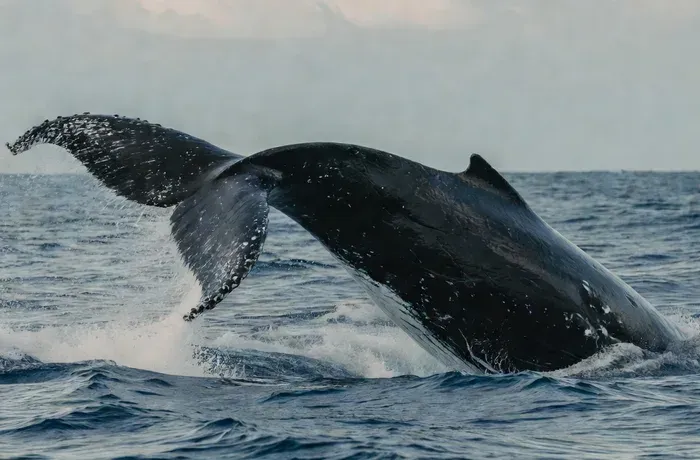
The whale arches its muscular tail stock out of the water and slams it sideways — aggressive competitive behavior between rival males near a female. One of the most dramatic displays to witness at close range.
Watch: Humpback Whales in Big Island
Humpback Whale Watching & Snorkeling Tour on Big Island, Hawaii
What to Bring — and What to Leave at Home
✓ Bring
- Reef-safe sunscreen (required in Hawaii)
- Polarised sunglasses
- Light layer — Kona mornings can be breezy on the water
- Camera or phone in a protective case
- Refillable water bottle
- Seasickness tablets if you're prone
- Your booking confirmation
✗ Leave at home
- Chemical sunscreen (harmful to coral reefs)
- Large bags or hard-shell cases
- Single-use plastic bottles
- Drones — illegal within the Marine Sanctuary
- Strong-smelling food
Where Tours Depart From
| Port / Area | Details | Best for |
|---|---|---|
| Kailua-Kona Pier | 2–3 operators | Central Kona, most hotel guests |
| Honokohau Harbor | 1–2 operators | Easier parking, near Kona Airport |
| Kawaihae Harbor | 1 operator | Waikoloa and Kohala resort guests |
How to Choose an Ethical Tour
What ethical operators do
- Maintain minimum 100-yard distance (federal law)
- Reduce engine speed when alongside whales
- Passive approach — follow whale's lead, no chasing
- NOAA Watch Smart certified operators
- Naturalist commentary on every tour
- No feeding, no swimming near whales
Red flags to avoid
- Approach closer than 100 yards (federal violation)
- Rev engines aggressively near surfacing animals
- Circle around whales to prevent them from diving
- Allow guests to attempt swimming near cetaceans
- No naturalist or educational component